Levi’s Leadership in Sustainable Materials and Circular Design
In today’s fashion industry, sustainability is not just a trend but a critical responsibility. Levi’s has emerged as a pioneer through its…
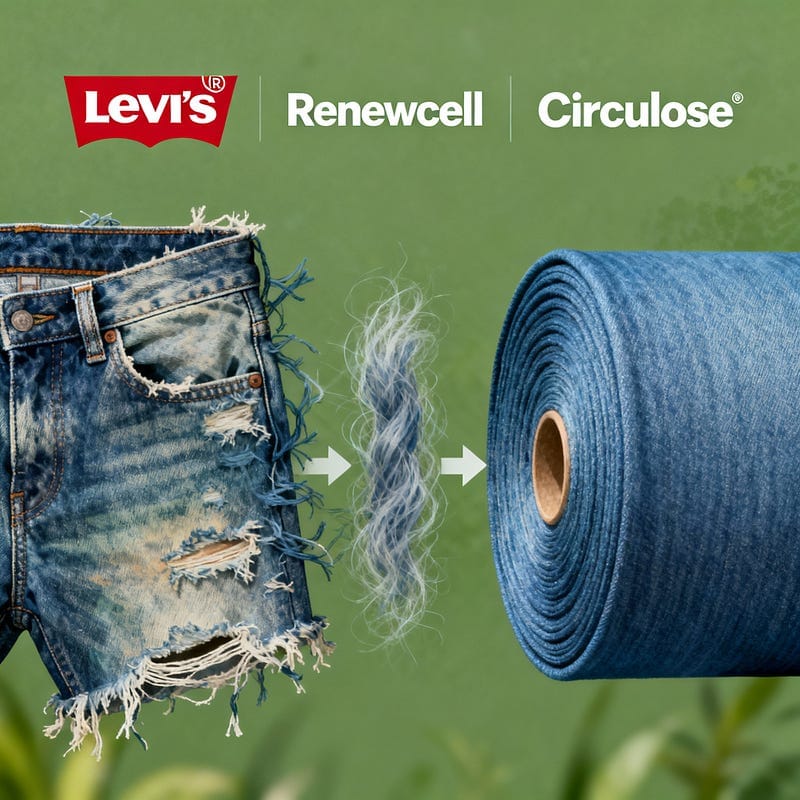
In today’s fashion industry, sustainability is not just a trend but a critical responsibility. Levi’s has emerged as a pioneer through its dedicated efforts to reduce environmental impact by adopting sustainable materials and circular economy principles. Their approach offers valuable lessons for ecommerce brands striving to balance style with sustainability, similar to what JeftinStore.com embodies in its commitment to impactful and conscious shopping.
Innovating with Sustainable Materials
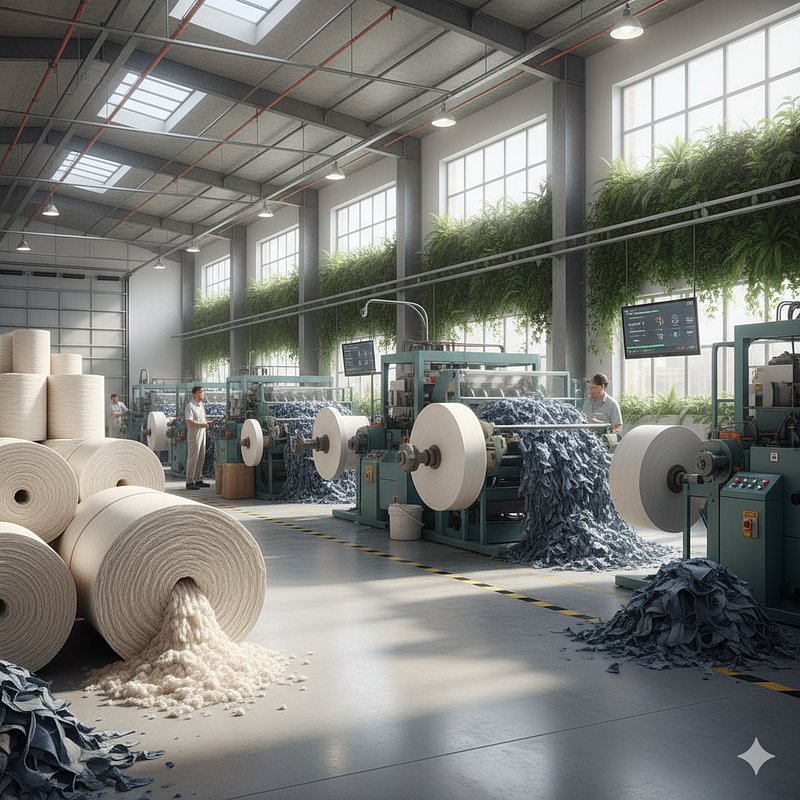
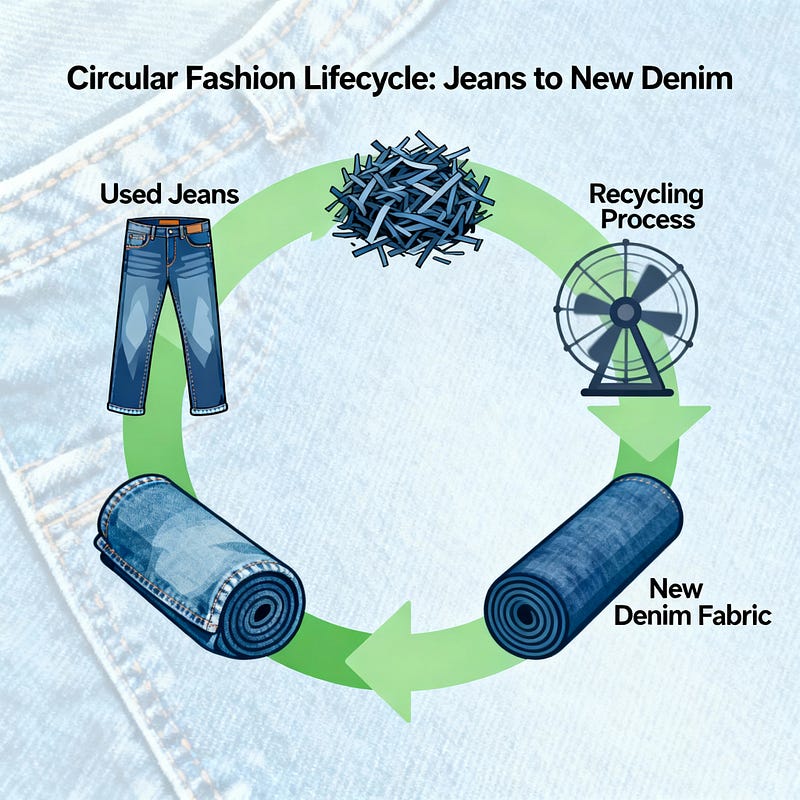
Levi’s sustainability journey includes sourcing organic cotton that uses fewer chemicals and pesticides, reducing harm to ecosystems. They also incorporate recycled fibers, such as cotton reclaimed from discarded garments, which significantly lowers the need for water and energy compared to virgin fibers. A notable innovation is their collaboration with recycling pioneer Renewcell to create Circulose®, a regenerated fiber made from worn-out denim and textile waste. This breakthrough fiber is blended with certified organic cotton to produce their first-ever circular 501® jeans, designed to be fully recyclable while maintaining high durability and quality standards¹.
Designing for Circularity and Longevity
Levi’s circular design principles ensure their products are made to be made again. Every detail, from pocket threads crafted entirely from cotton to the choice of non-electroplated metal trims, facilitates easier recycling and reduces environmental pollution. The brand’s Water<Less® technology is another key innovation that minimizes water usage and eliminates hazardous chemical discharge during dyeing and finishing². These efforts contribute to a longer product lifespan and lessen the fashion industry’s massive waste problem.
Encouraging Conscious Consumption
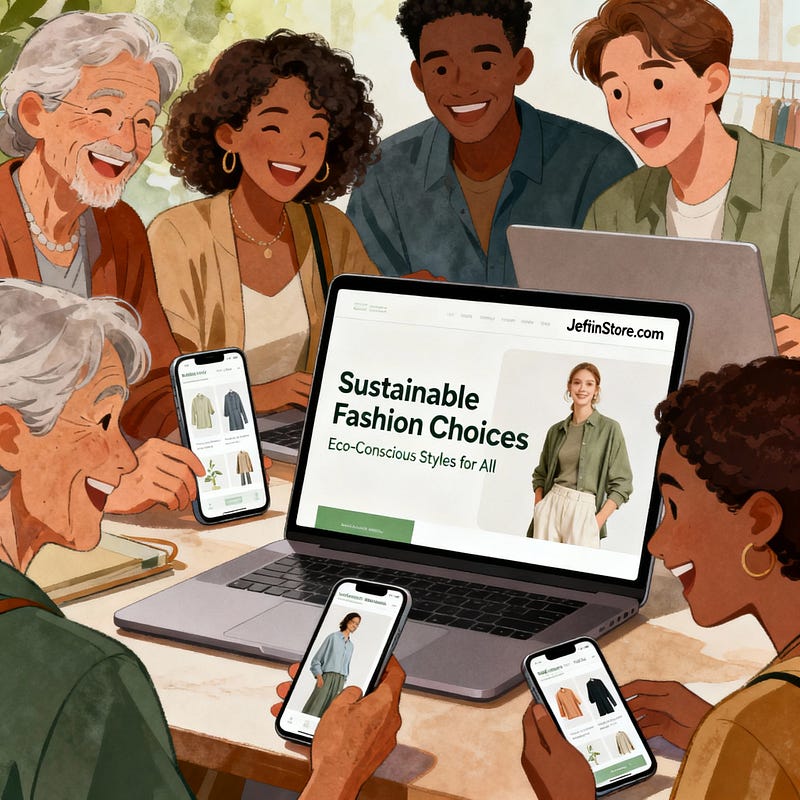
Levi’s “Buy Better, Wear Longer” initiative encourages customers to value durable fashions and responsible use, reinforcing a more sustainable consumption culture. This aligns with the philosophy of stores like JeftinStore.com, where shopping meets impact by promoting quality and ethical choices over fast, disposable fashion.
Community and Environmental Impact
Levi’s is also deeply committed to fair labor practices and community welfare across its supply chain, pushing for living wages and inclusive work environments. This holistic sustainability model, blending environmental and social responsibility, sets an inspiring standard for ecommerce retailers who aspire to create meaningful customer connections and positive global impact.
By following Levi’s example, ecommerce platforms such as JeftinStore.com can harness sustainable design and materials to reduce their ecological footprint while enhancing brand trust and consumer loyalty. With growing consumer awareness, sustainability-driven brands are shaping the future of retail — making every purchase more than just a transaction, but a contribution to a better planet.
References
- Levi Strauss & Co., “Levi’s® First-Ever Circular Jeans Made with Renewcell,” 2021, https://www.levi.com/US/en_US/blog/article/501-renewcell
- Levi Strauss & Co., “Circular Economy,” 2022, https://www.levistrauss.com/sustainability-report/consumption/circular-economy/
- Ram Sengunthar, “From Denim to Green: Levi’s Commitment to Sustainability,” 2025, https://www.linkedin.com/pulse/from-denim-green-levis-commitment-sustainability-ram-sengunthar-tjpmf
- “Levi’s most sustainable jean ever — a collaboration with Renewcell,” 2020, https://www.renewcell.com/en/levis-most-sustainable-jean-ever-a-collaboration-with-renewcell/
Institutional Disclaimer
The Triquetrus Institute is an internal research and reflection initiative of Triquetrus Initiatives LLP (India). All content published by the Institute is intended solely for educational and discussion purposes. It does not constitute legal, financial, investment, regulatory, or professional advice and should not be relied upon as such.
Attribution and Usage Rights
Images accompanying this article have been generated using artificial intelligence models and are presented for illustrative purposes only. Such images are synthetic in nature and should not be interpreted as factual representations of real persons, events, or conditions.
This article is subject to the full Content Ownership, Usage Rights, Liability Disclaimer and all applicable Terms and Conditions available at the Triquetrus Collective Legal Portal:
https://ti.triquetruscollective.com/triquetrus-collective-legal-portal/
Readers agree to these terms by engaging with the content.
Copyright © 2025 Triquetrus Initiatives LLP, India. All rights reserved.